Why slow, thoughtful base building feels so rewarding
There is a particular joy in building a base patiently and watching it work. This opinion piece explores why a slower, more deliberate style can make the genre more satisfying.
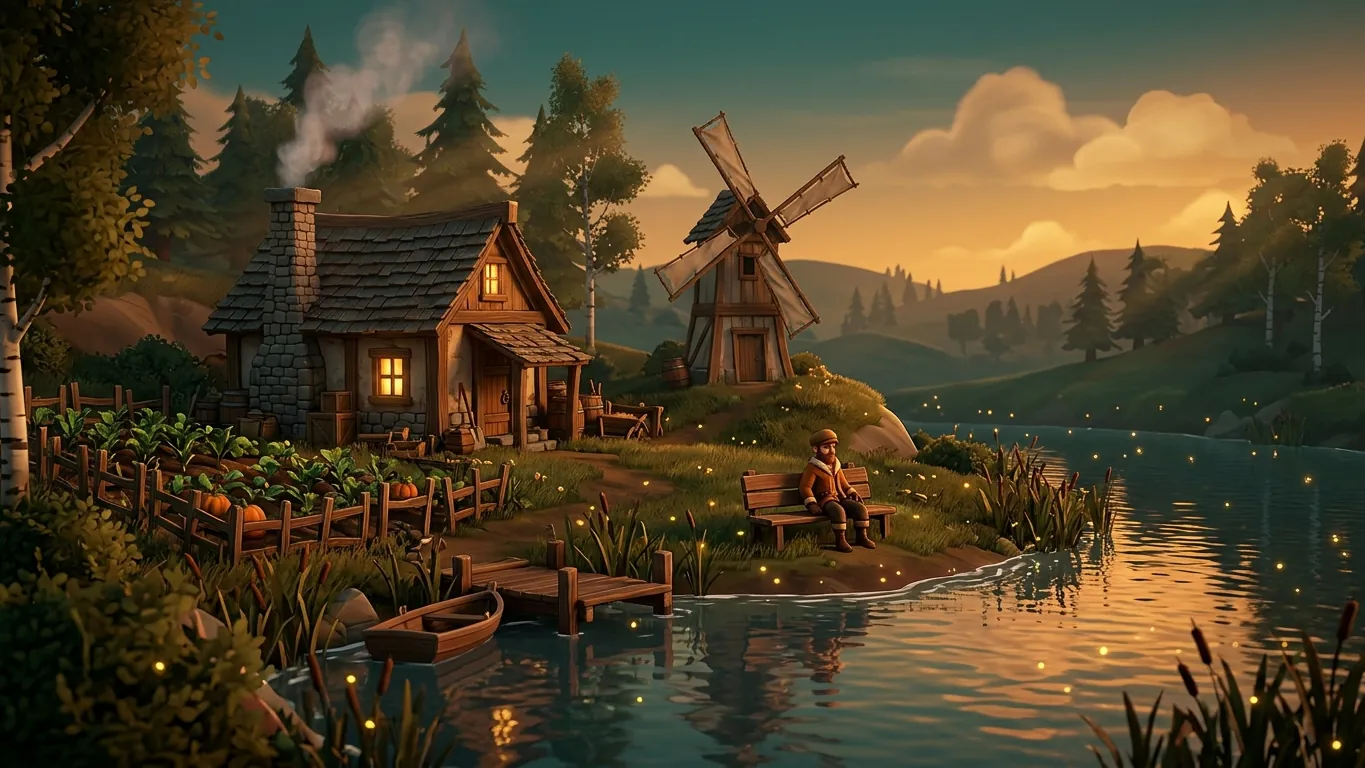
The temptation of speed
Many base-building games can be played fast. You can rush through technology, place buildings as quickly as resources allow and aim for the largest possible base in the shortest time. For some players, that pace is the whole appeal, and there is nothing wrong with it.
But there is another way to enjoy the genre, and it deserves more attention. Playing slowly, placing each building with care and taking time to watch the base work can turn the experience into something calmer and, in its own way, more absorbing. This piece is an argument for that style, offered as one view among many.
Watching a system come alive
Much of the pleasure of base building lies in seeing a plan become real. When you place a lumber camp, then a sawmill, then a workshop, and finally watch workers carry finished goods along a road you designed, there is a sense of quiet accomplishment that is easy to miss when moving quickly.
Slowing down gives these moments room to land. You notice the small details: a worker taking a shortcut you did not plan, a stockpile that fills just in time, a chain that finally runs without a pause. These observations are not only satisfying; they also teach you how the game really behaves.
Fewer emergencies, more decisions
A fast pace often leads to a cycle of emergencies. Expansion outruns supply, shortages appear and much of the session is spent putting out fires. That can be exciting, but it can also feel like the game is playing you.
A slower approach tends to replace emergencies with decisions. With reserves in storage and a base that is not stretched thin, you have time to consider options. Should you build a second chain or strengthen the first? Should the next district be industry or housing? These choices feel meaningful when you are not forced into them by a crisis.
Beauty as a goal
Many games in the genre allow some degree of decoration, terrain shaping or careful arrangement. When you are not rushing, it becomes natural to care about how the base looks as well as how it works. A tidy row of houses along a river, a garden beside the kitchens or a winding road that follows the hills can make a base feel like a place rather than a machine.
Aesthetic goals and efficient design are not always opposed. Often, a base that is pleasant to look at is also easier to read, because related buildings are grouped and paths are clear. Taking time to build something you enjoy looking at can make long playthroughs feel more personal.
Finding your own pace
None of this means fast play is wrong. Different players enjoy different things, and the same player may want a quick, intense session one day and a slow, thoughtful one the next. The point is that pace is a choice, and it is worth making that choice on purpose.
If base building has started to feel stressful, try slowing down for a session. Build a little less, watch a little more and let the base settle before adding the next piece. You may find that the game feels different, more like tending a garden than running a race. And if you have a different view, that conversation is part of what makes this genre interesting to write about.
Related articles
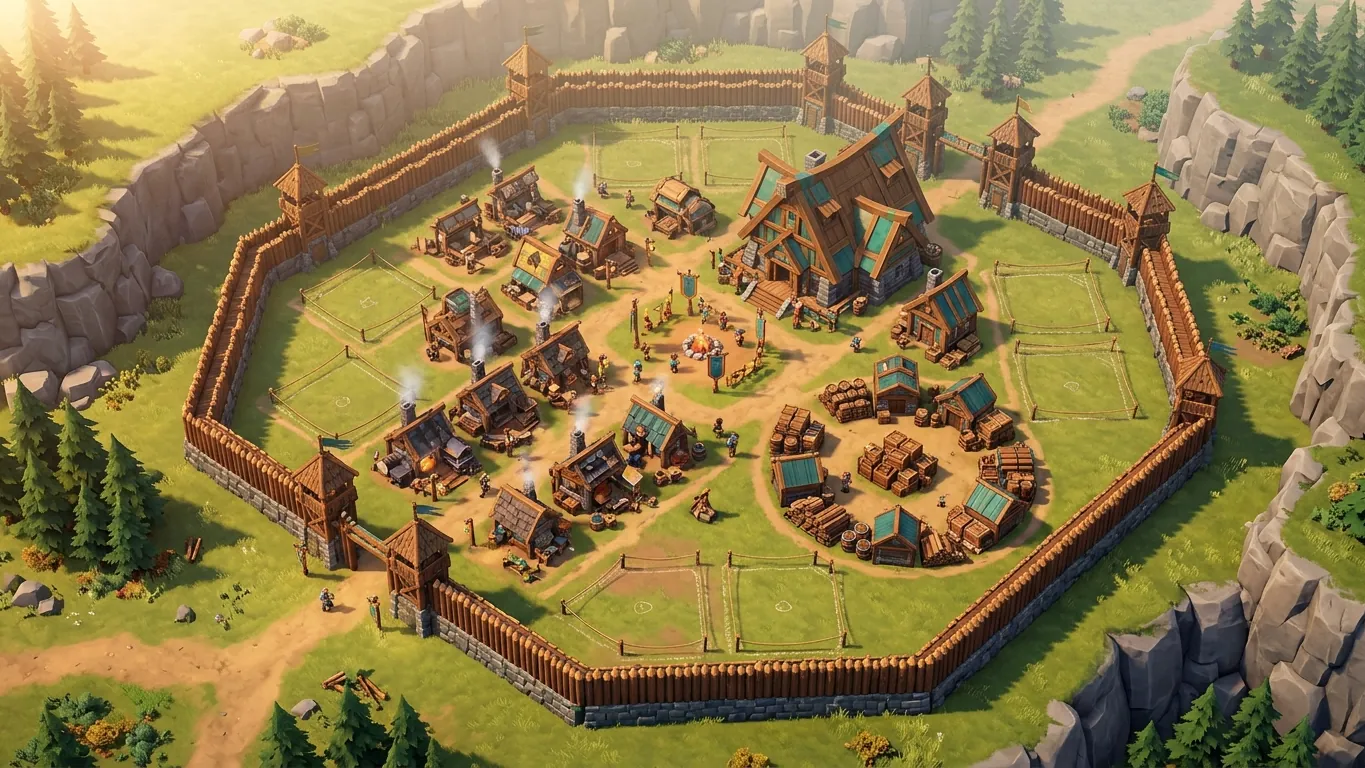 Base layout fundamentals: planning space before you build
Learn the layout principles that help bases grow cleanly: a clear core, short travel distances, grouped buildings and space reserved for future changes.
Read more
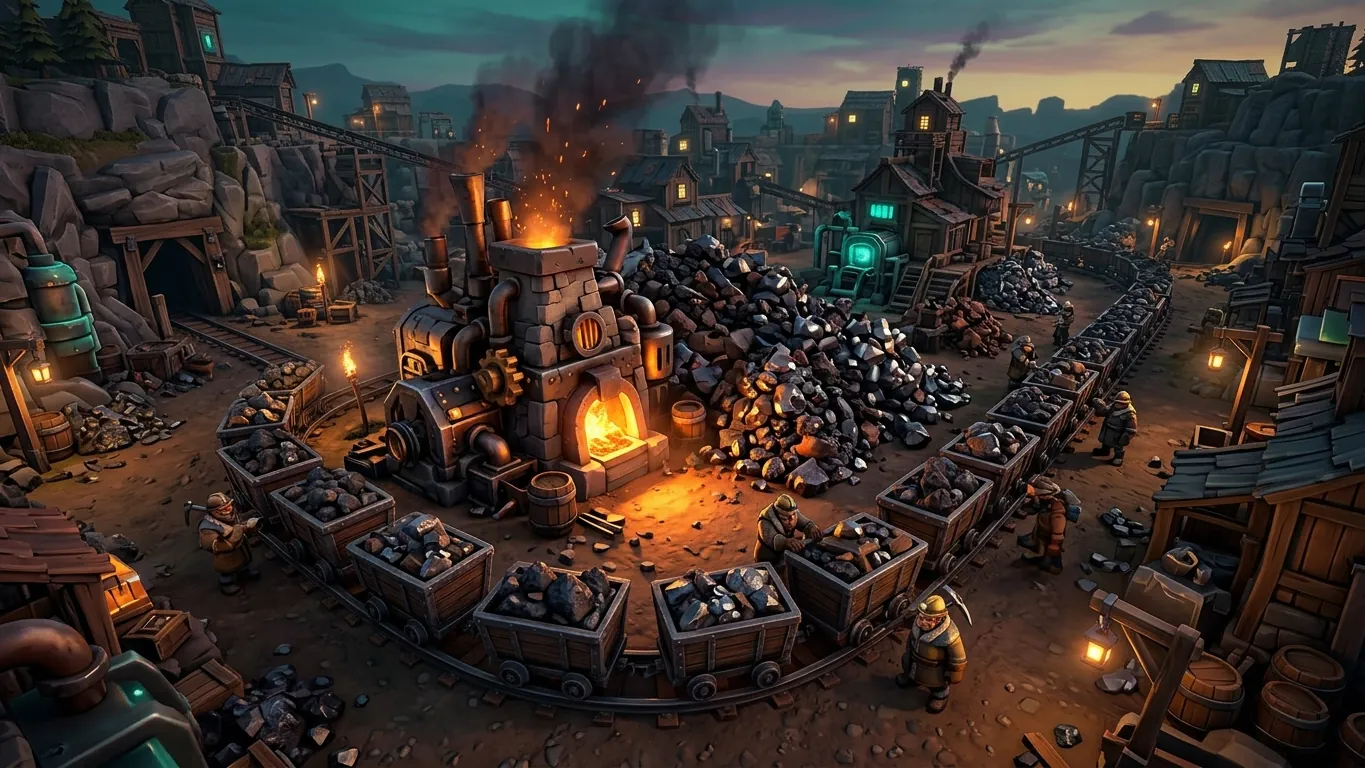 Finding and fixing resource bottlenecks
An explainer on resource bottlenecks in base-building games: how to spot them, trace a shortage to its source and decide which fix makes sense.
Read more
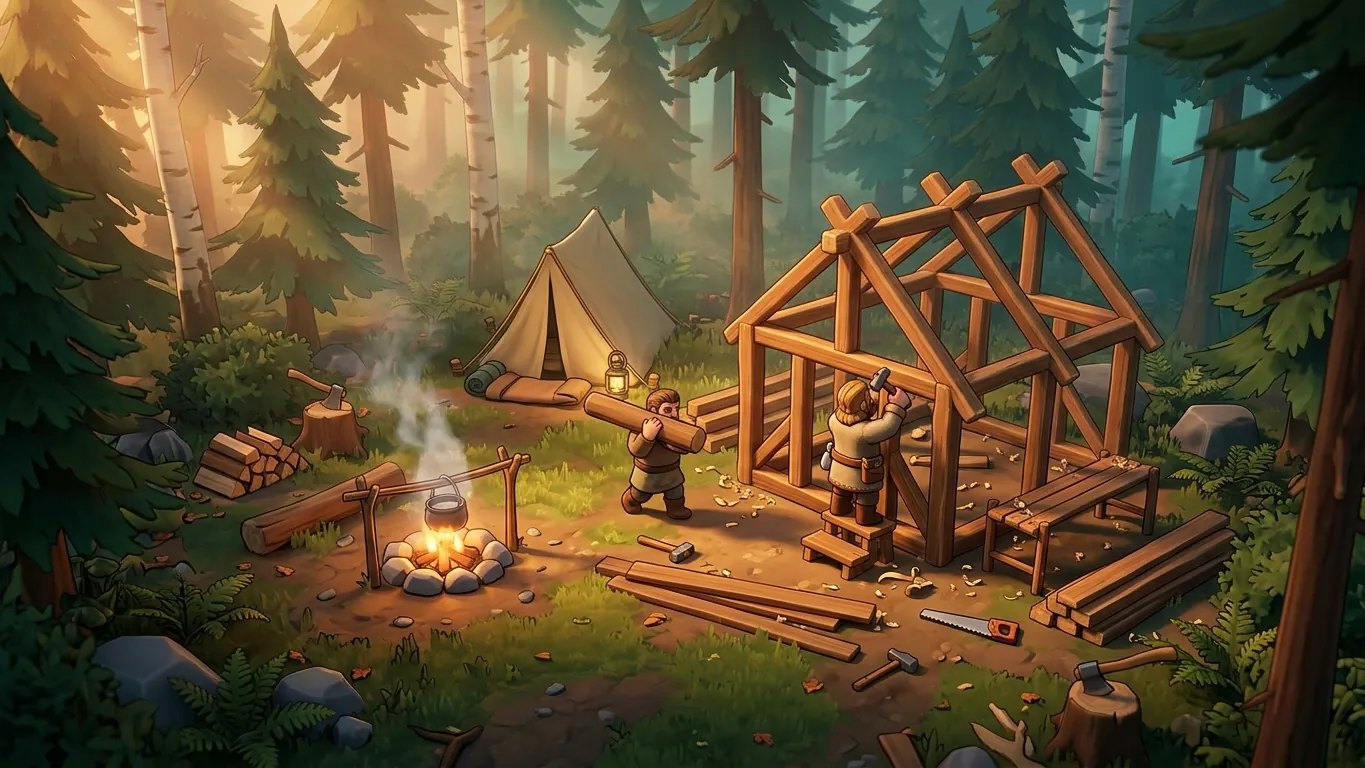 Early game priorities: what to build first
A beginner-friendly look at what to focus on in the first hours of a base-building game: survival needs, a steady income and choices that can wait.
Read more