Finding and fixing resource bottlenecks
When one resource runs short, the whole base slows down. This explainer shows how to spot a bottleneck, trace it to its cause and choose a sensible fix.
What a bottleneck really is
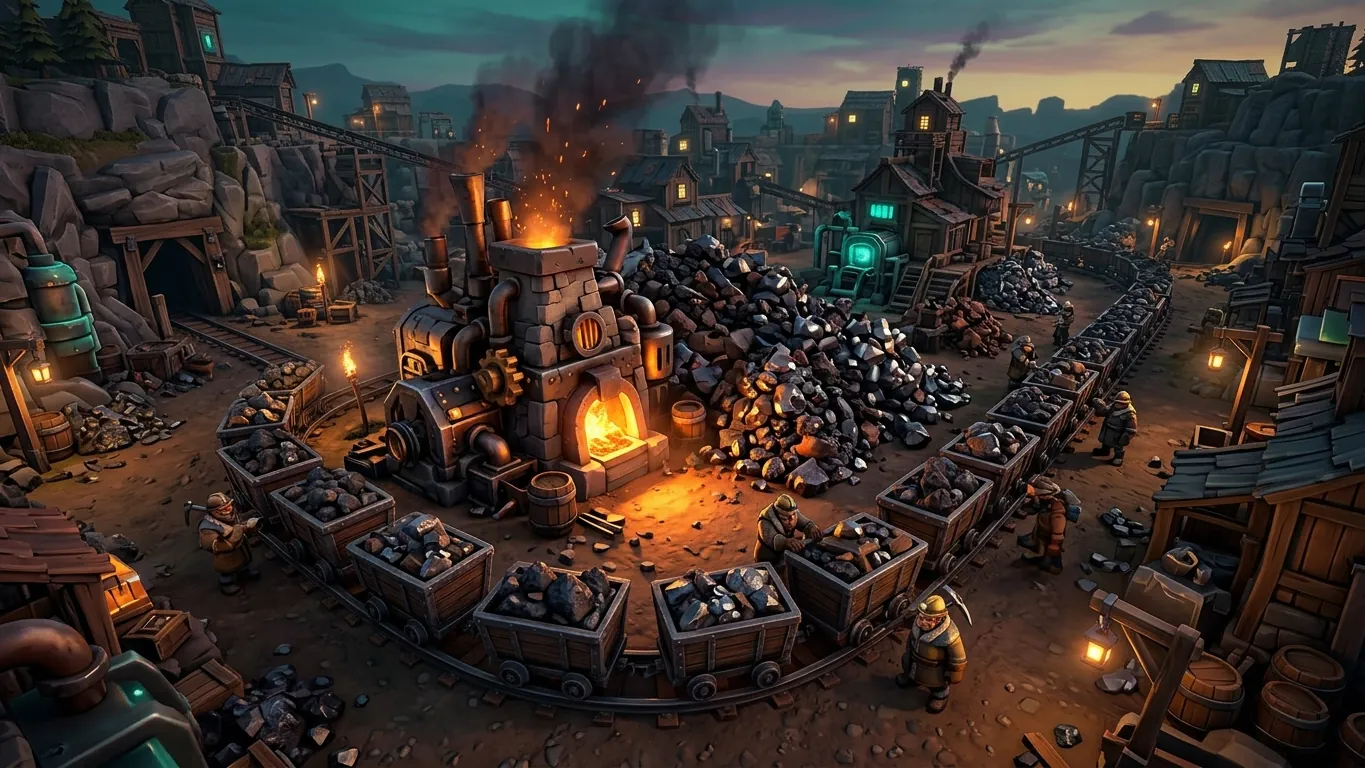
A bottleneck is the slowest step in a chain. No matter how fast the other steps run, the chain as a whole cannot produce more than its weakest link allows. If your mines dig plenty of ore but a single furnace can only smelt a little at a time, adding more mines will not give you more metal. It will only give you bigger piles of ore.
This idea sounds obvious, but in a busy base it is easy to miss. Players often respond to a shortage by building more of whatever seems related, which can make the base larger and more expensive without solving the real problem.
Reading the warning signs
Most games give you clues even if they never use the word bottleneck. Common signs include materials piling up in one place while the next building sits idle, workers waiting at a station, queues of vehicles, and production buildings that show an empty input or a full output.
Another sign is a resource count that rises and falls in a sawtooth pattern. That often means a building is working in bursts, waiting for supplies, then catching up. Spending a few minutes simply watching your base, without building anything, is one of the most effective ways to notice these patterns.
Tracing a shortage back to its source
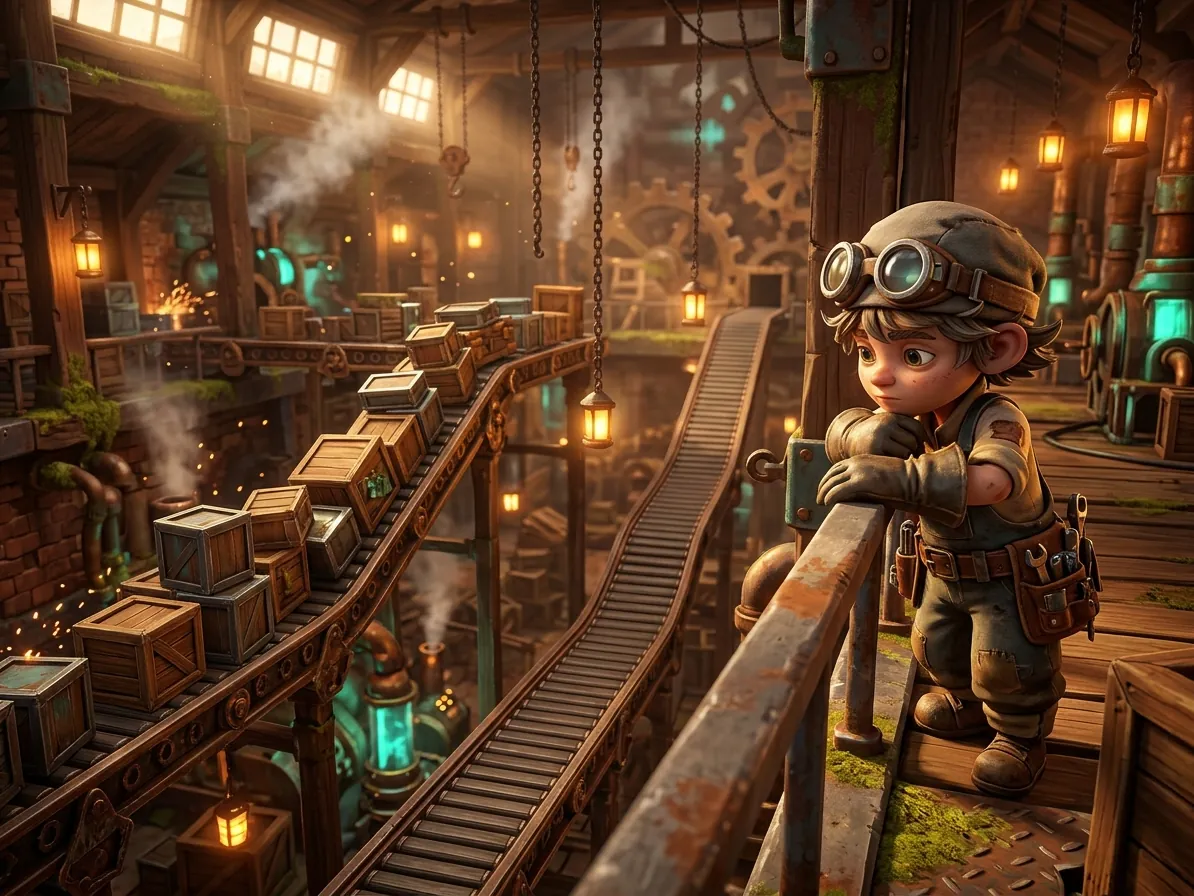
When something runs out, work backward through the chain one step at a time.
- 01
Name the missing item
Identify exactly which resource is short, not just which building has stopped.
- 02
Check its producer
See whether the building that makes it is working, idle or waiting for inputs.
- 03
Check the inputs
If the producer is waiting, look at what it needs and repeat the check for those items.
- 04
Check the delivery
Confirm that goods are actually reaching the building and not stuck in storage or on a long route.
- 05
Find the first stalled step
The earliest point where the flow stops is usually the true bottleneck.
Fixing the right problem
Once you know where the chain is stuck, there are usually only a few kinds of fix. You can add capacity by building another copy of the slow building or upgrading it. You can improve delivery by shortening routes, adding workers or adding a storage point closer to where goods are needed. Or you can reduce demand by pausing a less important consumer so that the limited supply goes where it matters most.
The best choice depends on cost and on how long the shortage will last. A permanent shortage often calls for more capacity. A temporary spike might be handled by reprioritizing for a while. It also helps to change one thing at a time and watch the result, so you know which change actually worked.
Living with some bottlenecks
Every base has a bottleneck somewhere. Fixing one simply moves the limit to the next slowest step. That is normal and not a sign of failure. The aim is to make sure the bottleneck sits in a place you choose, ideally on something that is expensive to expand or that you do not need in large amounts.
Thinking this way can make base management feel less frantic. Instead of chasing every shortage, you can ask which limit is acceptable right now and which one is holding back the goals you care about. Over time, this habit turns a confusing web of buildings into a system you understand and can steer with confidence.
Related articles
 Early game priorities: what to build first
A beginner-friendly look at what to focus on in the first hours of a base-building game: survival needs, a steady income and choices that can wait.
Read more
 Storage and logistics: keeping goods moving
A practical guide to storage and logistics in base-building games: central versus distributed storage, hauling, transport and keeping things tidy.
Read more
 Defensive base design that still lets you grow
Tips for designing a defensible base in building games: approach routes, choke points, protecting key buildings and balancing defense with production.
Read more