Idle producers
Buildings wait for inputs even though the material exists somewhere in storage.
Producing resources is only half the job; they also have to reach the right place. This guide looks at storage choices and transport habits that keep a base running smoothly.
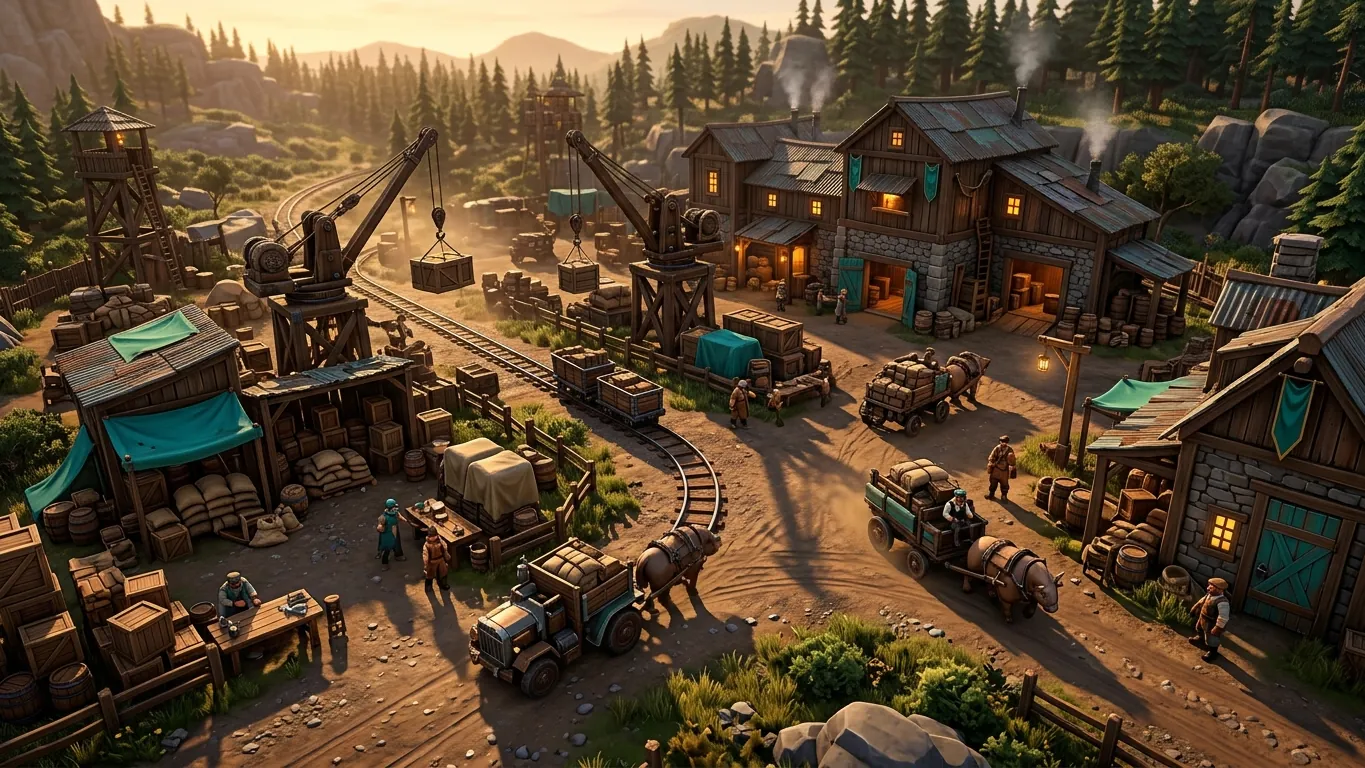
When a base feels chaotic, building more storage can seem like the answer. Sometimes it is. But storage only holds goods; it does not make them move faster or appear more often. Large storage can even hide problems by letting surpluses pile up quietly while another part of the base runs short.
It helps to think of storage as a buffer. A buffer smooths out uneven production, protects you when a supply is interrupted and gives workers a nearby place to drop off and pick up goods. Used with intent, it makes a base calmer. Used as a catch-all, it can turn into a cluttered maze.
There are two broad approaches. Central storage keeps everything in one place, which makes it easy to see your totals and simple to manage early on. The downside is that every trip begins or ends at the center, so distances grow as the base expands.
Distributed storage places smaller stockpiles near where goods are produced or used: wood near the sawmill, ore near the smelter, food near the kitchens. This shortens trips but can make it harder to know how much you actually have. Many players start central and gradually add distributed points as the base spreads out, keeping one main store for overall stock and several local ones for daily work.
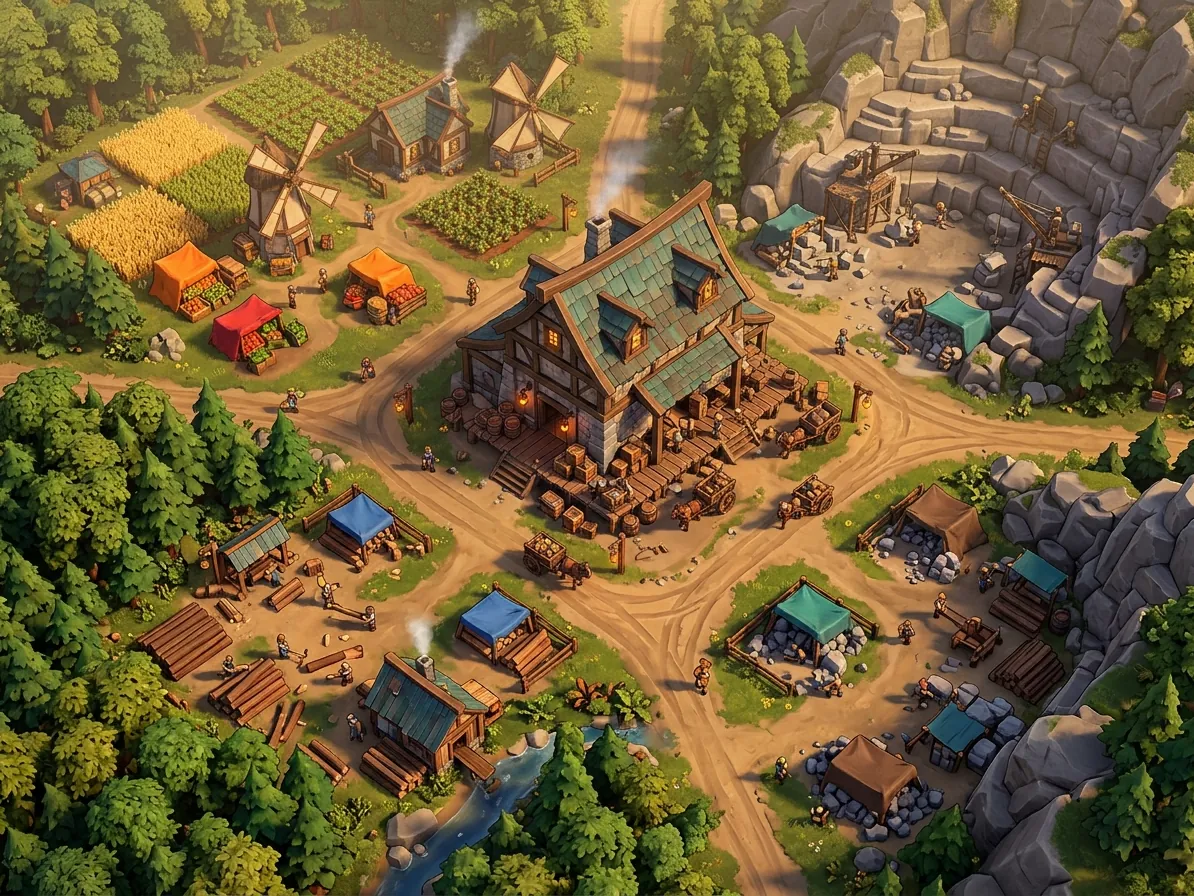
How goods move depends on the game. Some rely on workers carrying items by hand, some on vehicles or pack animals, and others on belts, pipes or rails. Each system has its own logic, but a few ideas apply broadly.
Short, direct routes beat long, winding ones. Fewer handoffs mean fewer chances for goods to get stuck. And dedicated haulers or lines for important materials can prevent a single busy route from delaying everything. If hauling is done by workers, check whether they are spending more time walking than working; if so, a closer storage point or a better road can make a noticeable difference.
Watch for these patterns while your base is running.
Buildings wait for inputs even though the material exists somewhere in storage.
Finished goods pile up because nothing collects them quickly enough.
Workers or vehicles crowd one path, gate or crossing.
Haulers cross the whole map for routine deliveries.
Logistics tends to decay as a base grows. Temporary stockpiles become permanent, old roads remain after buildings move, and filters or priorities set long ago no longer match your needs. A short maintenance session every so often helps. Remove storage that no longer serves a purpose, straighten routes that have become awkward and review which materials are allowed where.
It is also worth labeling or color-coding storage if the game allows it, and keeping each stockpile focused on a small set of goods. A tidy system is easier to understand at a glance, which makes it easier to spot problems early. Logistics rarely gets the spotlight, but a base with smooth movement often feels effortless to play.
 Defensive base design that still lets you grow
Tips for designing a defensible base in building games: approach routes, choke points, protecting key buildings and balancing defense with production.
Read more
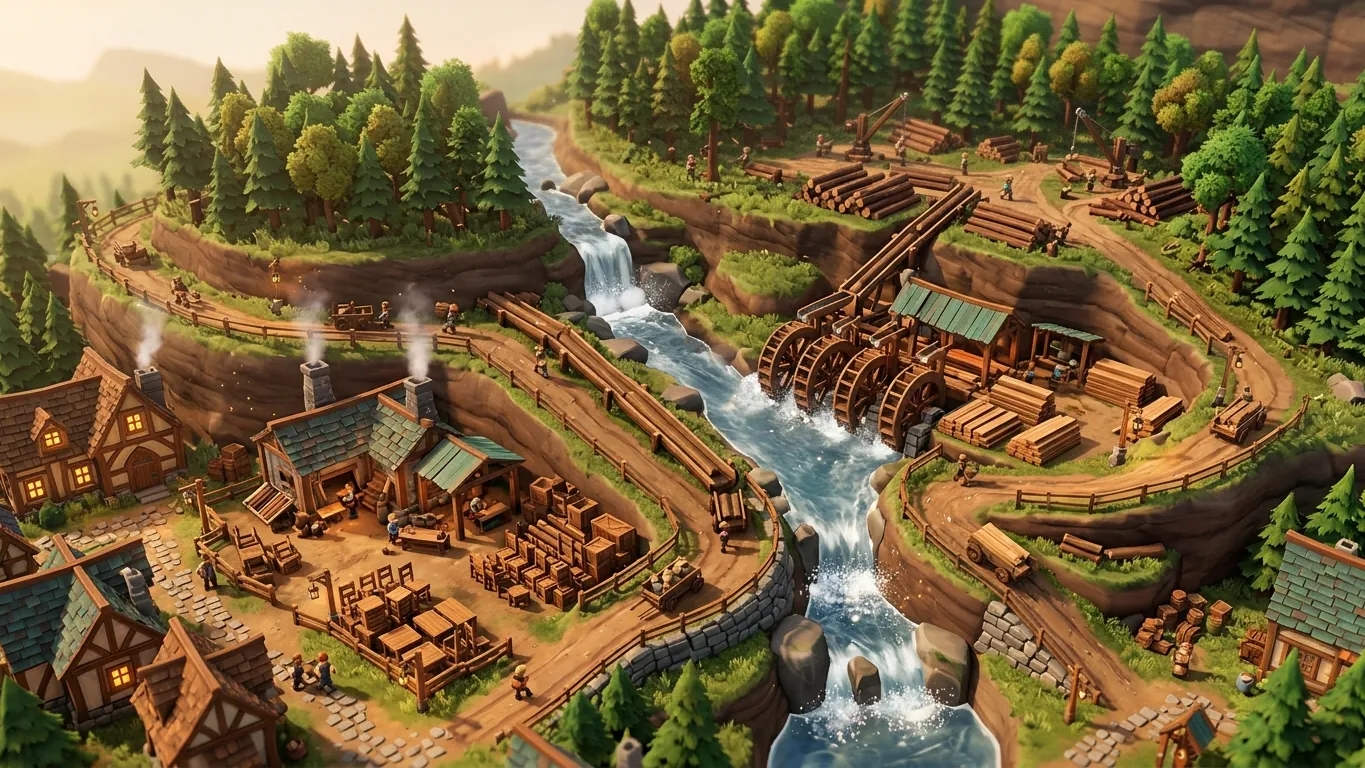 Production chains explained: from raw material to finished goods
An explainer on production chains in base-building games: how raw materials become finished goods, why ratios matter and how to build chains in stages.
Read more
 Expanding your base without overextending
Tips on growing a base at a sustainable pace: signs you are ready to expand, hidden upkeep costs, a steady checklist and how to consolidate after growth.
Read more