Defensive base design that still lets you grow
Defense works best when it is part of the layout rather than an afterthought. These tips cover approach routes, protecting key buildings and keeping defense costs in balance.
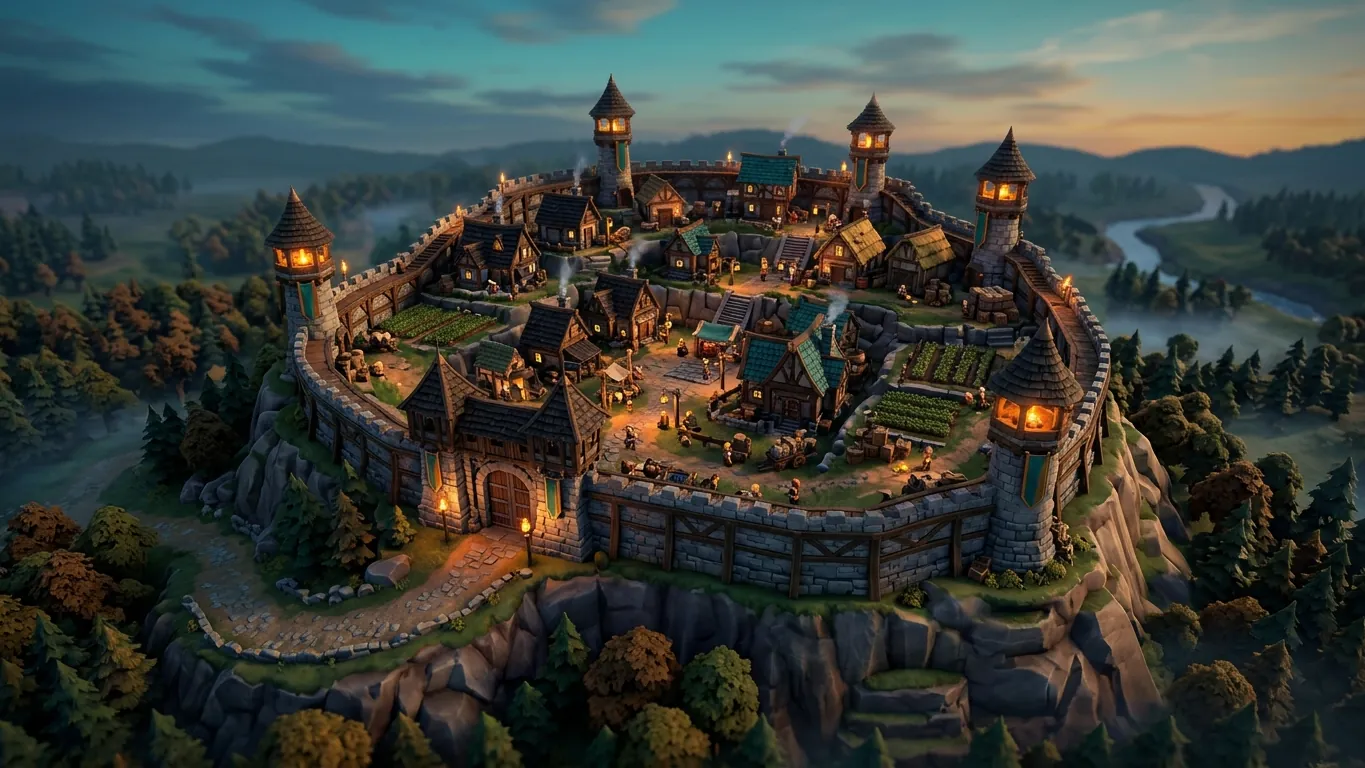
Defense as part of the layout
In games where your base can be attacked, defense is easiest when you think about it from the start. A base designed with threats in mind can be protected with fewer walls and towers than one where defenses are added in a hurry.
The key question is where trouble is likely to come from. Many games send threats from map edges, specific spawn areas or along natural paths such as valleys and roads. Knowing this lets you place your most valuable buildings deeper inside and use terrain to your advantage. Cliffs, water and dense forest can act as natural walls at no cost.
Choke points and approaches
A choke point is a narrow place that attackers must pass through. Guarding a single entrance is usually far easier than guarding a long open perimeter. Even in open terrain, walls can be used to funnel approaches toward a well-defended gate.
That said, choke points should not choke your own base. Workers, haulers and vehicles still need to move in and out. A common compromise is to keep the defended entrance wide enough for daily traffic and to place storage and production close to it on the inside, so that goods do not have to travel far through crowded paths. Check that your own units can still reach outlying resources without long detours.

Protecting what matters most
Not every building needs the same protection. Think about what would hurt most to lose: main storage, food production, power or key crafting stations. These belong in the safest part of the base. Less critical or easily replaced buildings can sit closer to the edges.
Layering also helps. An outer line slows attackers, and an inner line protects the core if the first gives way. In some games, spreading critical systems across two locations means a single breach cannot shut down the whole base. A backup generator or a second small food store can make a difficult moment far less stressful.
Balancing defense and economy
Every wall and tower costs materials and often upkeep. A base that spends too much on defense can starve its own growth, while a base that spends too little may lose progress to a single attack. The right balance depends on how often and how hard the game tests you.
A practical approach is to scale defense with the value of what you are protecting. Early on, a few well-placed defenses near the core are often enough. As the base grows richer, invest gradually and watch whether your defenses are actually being used. If an area never sees threats, its defenses could be scaled back. If one side is always under pressure, strengthen it first.
Review after every challenge
Each attack or emergency teaches something about your layout. Afterward, take a moment to look at where the threat entered, which defenses did the work, what was damaged and whether workers could keep producing during the event.
Small adjustments based on these observations tend to be more effective than large rebuilds. Moving a vulnerable building, adding a second wall segment or widening a gate for faster repairs can make the next challenge noticeably easier. Over time, the base becomes shaped by its own history, and defense starts to feel like a natural part of the design rather than a constant worry.
Related articles
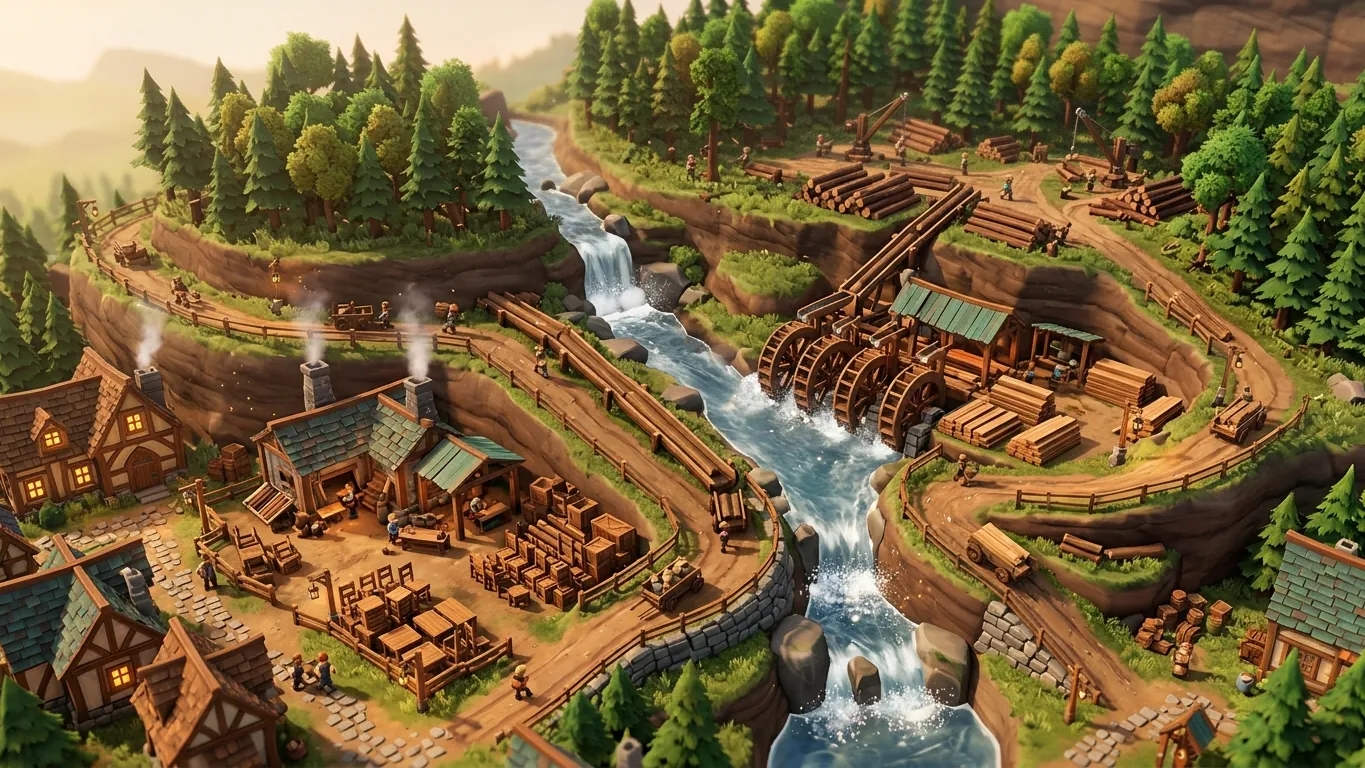 Production chains explained: from raw material to finished goods
An explainer on production chains in base-building games: how raw materials become finished goods, why ratios matter and how to build chains in stages.
Read more
 Expanding your base without overextending
Tips on growing a base at a sustainable pace: signs you are ready to expand, hidden upkeep costs, a steady checklist and how to consolidate after growth.
Read more
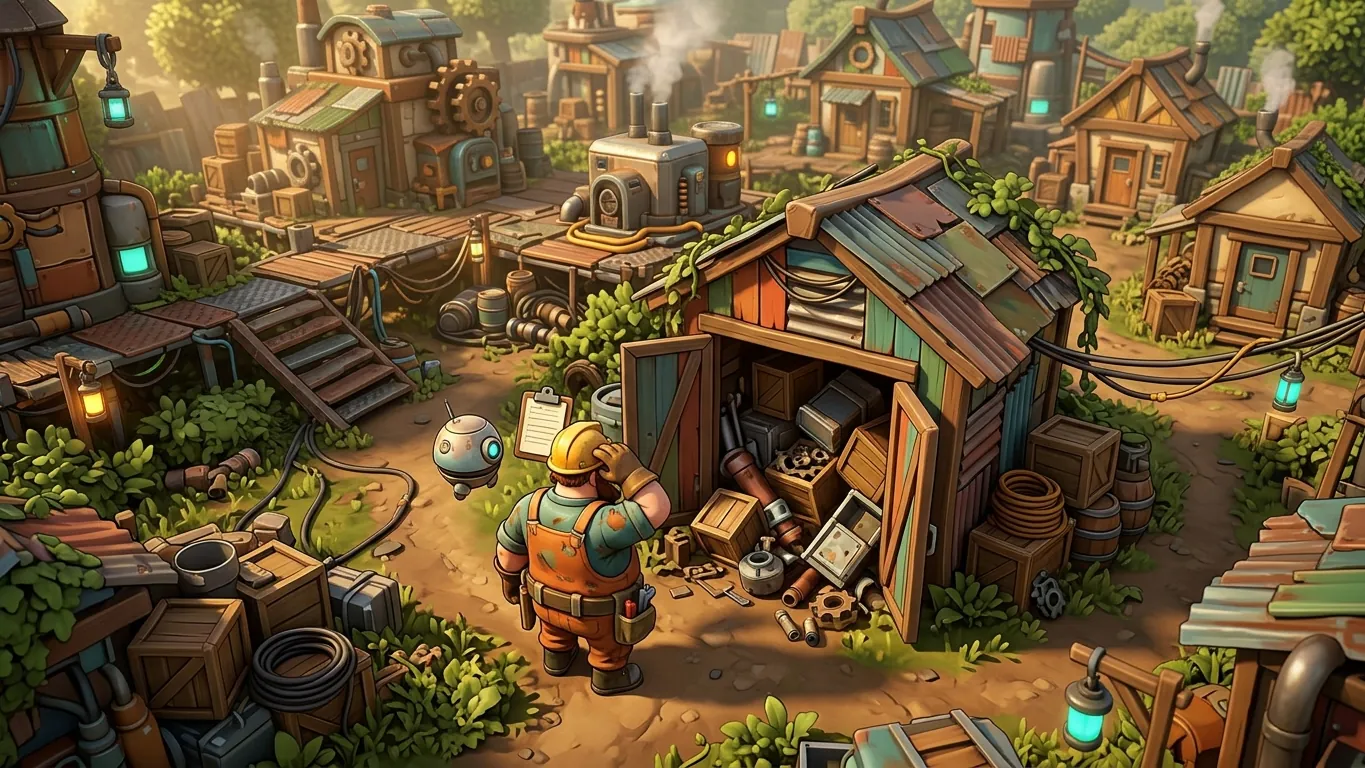 Common base-building mistakes and how to avoid them
A look at common base-building and resource management mistakes, why they happen and practical ways to avoid them in your next playthrough.
Read more